Water extraction and removal
Pumping and extraction to get rid of standing water quickly, then targeted removal of wet materials when drying in place is not realistic.
Serving Buffalo, New York & surrounding areas
24/7 Emergency Response
Water restoration in Buffalo, New York
Rapid cleanup and structural drying after leaks or flooding, with moisture checks that help prevent mold and long-term damage.
Call Now 716-303-4549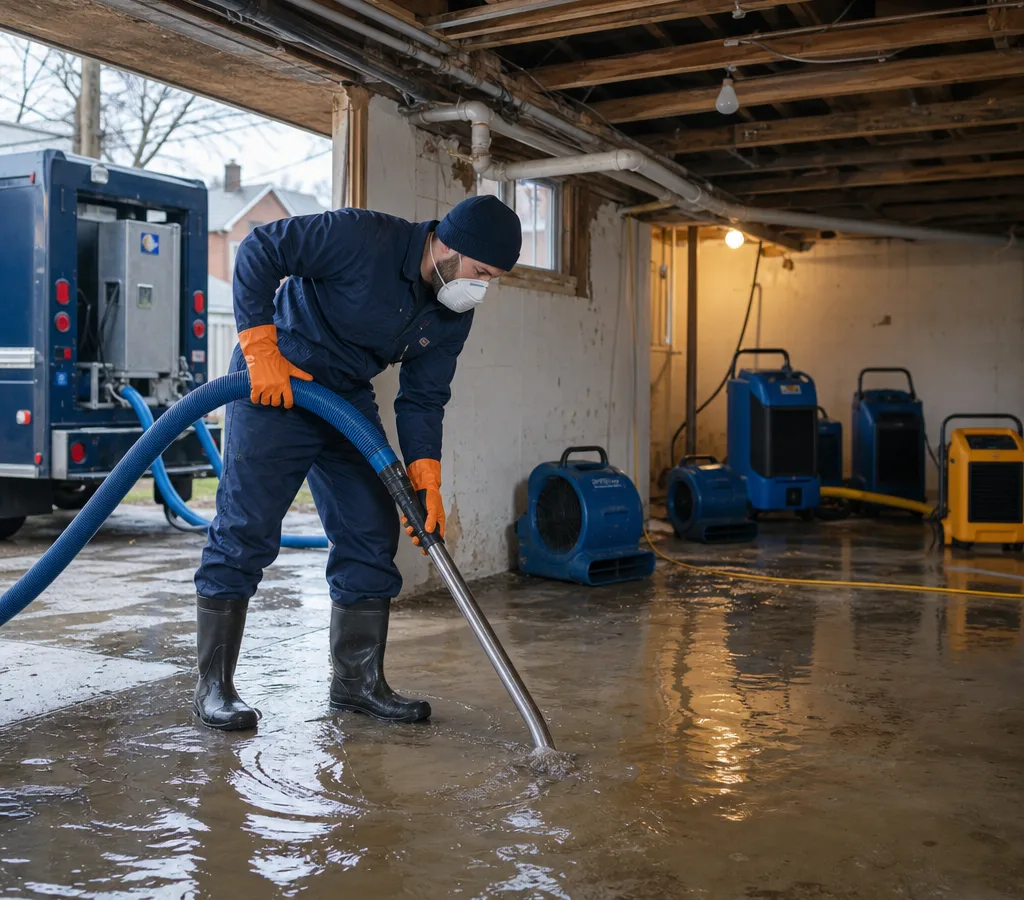
Fast, source-focused response
When you need water restoration Buffalo NY homeowners can rely on, the first hours matter. Water moves fast through drywall, subfloors, and insulation, and Buffalo's older housing stock can hide moisture in layered materials and finished basements. Our team at Buffalo Mold Removal responds with a clear plan: stop the source when possible, remove standing water, dry the structure with commercial equipment, and verify moisture levels before repairs move forward.
You will get practical guidance right away, including what to shut off, what to move, and what not to disturb. If the water is contaminated, such as from a backup, we treat the affected areas as a health and safety issue and scope the cleanup accordingly.
If you are dealing with visible growth or that musty smell after the water is gone, mold removal may also be the next step once drying is stabilized and the cause is addressed. Visit our Buffalo mold removal homepage to learn what that process involves.
Cleanup, drying, and verification
Pumping and extraction to get rid of standing water quickly, then targeted removal of wet materials when drying in place is not realistic.
Air movers and dehumidifiers are set up to dry framing, subfloors, and wall cavities, not just the surface you can see.
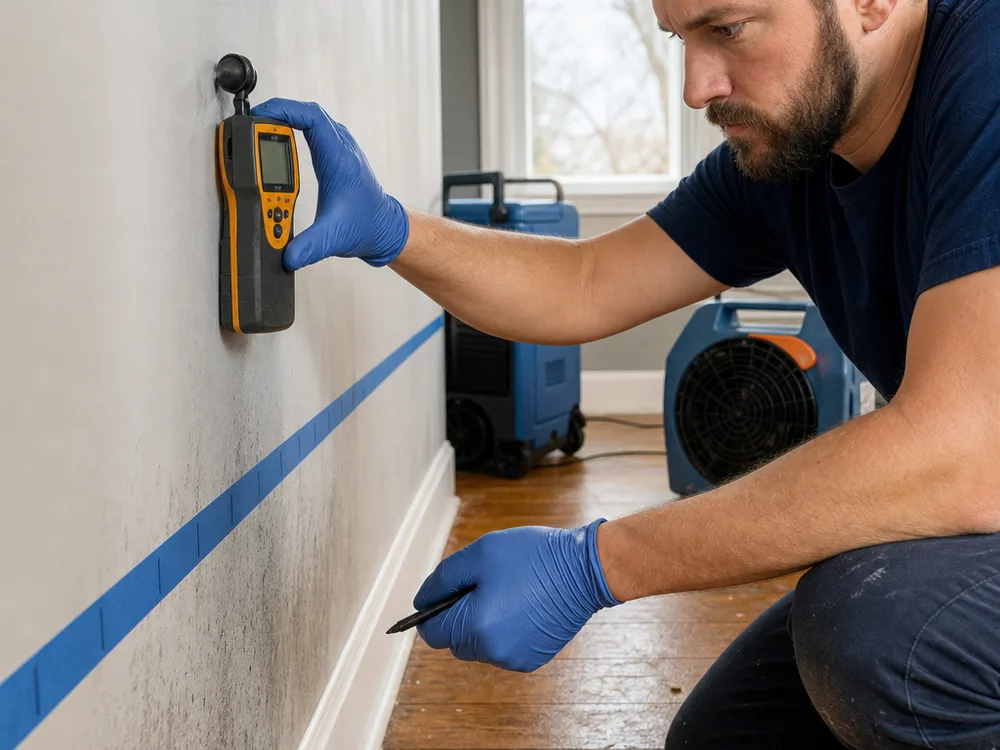
We use moisture meters and thermal imaging where appropriate to find trapped moisture and track progress so the job does not end too early.
For sewage, river water, or other contamination, we clean, disinfect, and dispose of impacted porous materials based on conditions on site.
Drying solves most odors, but we can add targeted odor control when water sat long enough to affect wood, drywall paper, or contents.
Once the structure is dry, we can coordinate next steps so repairs happen on stable, dry materials instead of trapping moisture behind finishes.
Buffalo property conditions
Buffalo water damage projects often come with details that change the plan. Finished basements are common, and water can soak behind baseboards, under floating floors, and into wall plates. In older homes, plaster, dense trim assemblies, and layered flooring can slow drying and hide wet pockets.
Neighborhood-by-neighborhood, we see different patterns:
We build the drying setup around the materials that are actually wet. That can mean controlled demolition to open a wet cavity, targeted injection drying, or containment when there is a risk of cross-contamination into clean areas.
Inspection to final verification
We identify the water category (clean, gray, or contaminated), inspect affected rooms, and take moisture readings to define a realistic drying plan.
Standing water is removed first. If insulation, carpet pad, or drywall is saturated, we remove what cannot be dried safely or economically.
We place air movers and dehumidifiers to create airflow across wet surfaces and pull moisture out of the air. In some cases we dry cavities directly.
Drying is monitored with moisture readings. If a wall cavity stays wet or a floor is holding water, the equipment layout and approach are adjusted.
We confirm materials have returned to appropriate moisture levels for the structure. This step helps reduce the risk of odor, swelling, and mold.
Inspection-based pricing
Water restoration in Buffalo typically ranges from about $1,200 to $6,500+, depending on how much water entered the home and what materials were affected. A smaller clean-water leak caught early may stay near the lower end, while a finished basement flood or contaminated water cleanup often runs higher because of removal, sanitation, and longer drying time.
Final cost depends on the affected square footage, water category, how long materials stayed wet, access such as tight basements or multiple rooms, and whether drywall or flooring must be removed to dry cavities correctly. The exact price is confirmed after an on-site inspection and moisture mapping.
Clear answers before cleanup begins
Start water restoration as soon as it is safe to enter the space because materials can absorb water quickly and drying becomes harder the longer it sits. If you can do so safely, shut off the water source, avoid running HVAC that could spread moisture, and keep people out of contaminated water areas until a proper cleanup plan is in place.
Most structural drying takes about 3 to 5 days, but the timeline changes with temperature, humidity, and what got wet. Dense materials, finished basements, and water trapped in wall cavities can extend drying, which is why moisture readings matter more than the calendar.
Sometimes, yes, if the water is clean and the materials are still in a condition where they can be dried to acceptable moisture levels. If drywall, insulation, or flooring has stayed saturated or the water was contaminated, selective removal is often the safer route so hidden moisture and residues are not sealed behind new finishes.
Clean water starts from a sanitary source, such as a supply line, while contaminated water includes discharge, backups, or other sources that can carry pathogens and require more aggressive cleaning and disposal. The category affects what can be saved, what must be removed, and what sanitizing steps are required before drying is considered complete.
Yes. If moisture lingered long enough for growth to start, we can scope the problem and address it after the structure is stabilized and drying is underway. The key is correcting the moisture source and verifying dry conditions first, otherwise mold can return even after cleaning.
If it is safe, stop the water source, shut off electricity to wet areas, and move valuables and small items out of the affected space. Avoid disturbing wet drywall or insulation because it can release debris, and do not assume a household fan will dry hidden cavities; professional dehumidification and moisture checks are what prevent lingering dampness.
Start with an on-site assessment
Tell us what happened and what areas were affected. We will walk you through immediate safety steps, schedule an on-site assessment, and provide a clear scope for cleanup and drying.