After a leak or water event
If water reached drywall, insulation, subflooring, or carpeting, sampling can help determine whether materials dried fast enough or whether hidden amplification is likely.
Serving Buffalo, New York & surrounding areas
24/7 Emergency Response
Mold testing in Buffalo, New York
If you smell something musty, see staining, or have had a leak, testing provides clear answers with careful sampling and plain-English results.
Call Now 716-303-4549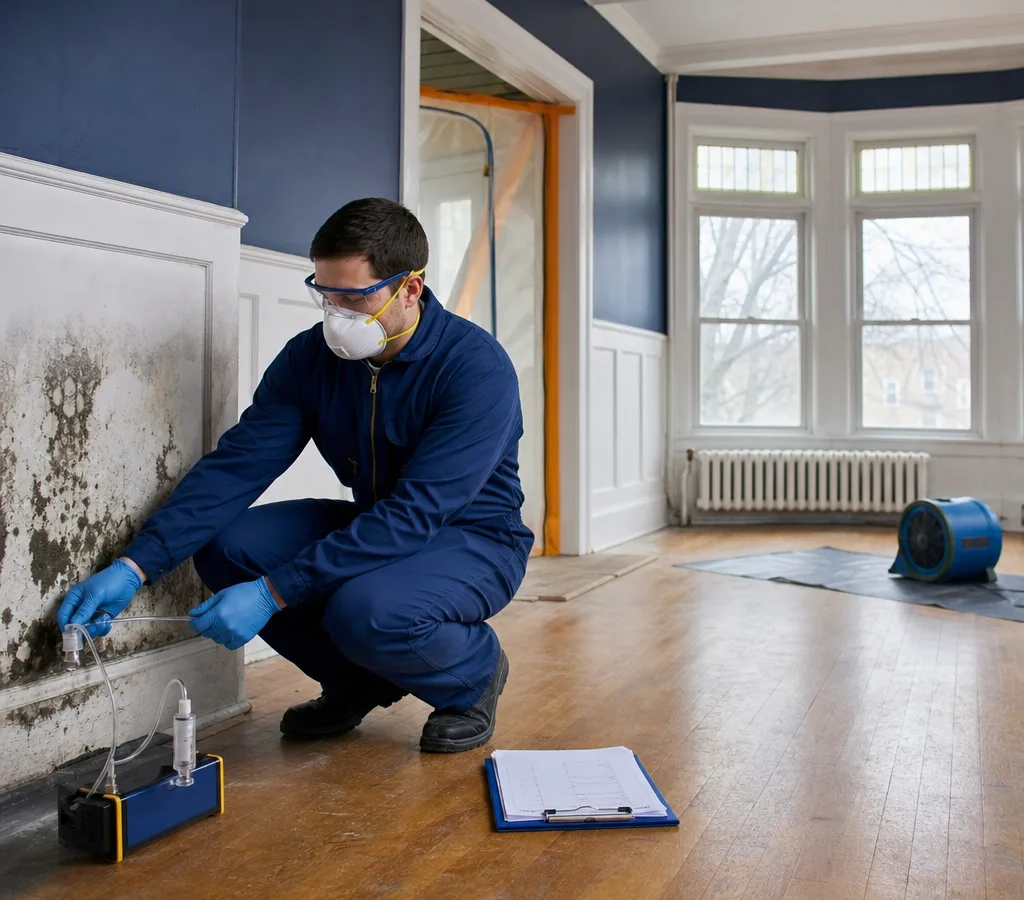
Inspection, evidence, and next steps
When people search for mold testing Buffalo NY, they usually want two things: confirmation of whether mold is present and practical next steps that keep the building safe. Good testing is not just taking a sample. It is an inspection, a sampling plan, and an explanation that matches what is actually happening in the space. You can also visit our Buffalo mold removal homepage for an overview of local cleanup options.
A proper mold assessment should answer:
Testing is not a substitute for fixing moisture. Lab results can support decisions, but the root cause is always water. In Buffalo, that often means roof and window leaks, damp basements after heavy rain, plumbing failures, or humidity issues in tighter, weatherized homes. Buffalo Mold Removal focuses on clear sampling, clear reporting, and guidance that helps you move forward without guesswork.
Targeted answers for real decisions
If water reached drywall, insulation, subflooring, or carpeting, sampling can help determine whether materials dried fast enough or whether hidden amplification is likely.
A surface sample can help confirm whether a spot is mold and, if needed, document the type so your cleanup plan matches the risk and location.
Odors often come from basements, crawl spaces, wall cavities near plumbing, or areas with repeated condensation. An inspection plus targeted sampling can narrow the source.
If occupants are reacting at home but not elsewhere, results can help you and your medical provider decide what environmental changes matter most.
Buyers, sellers, landlords, and property managers often need a written report and lab findings to support a disclosure, scope, or maintenance plan.
Purposeful sampling, not guesswork
We start with what you can see and what you cannot. The goal is to avoid random samples and instead collect the right samples in the right places.
We look for moisture pathways and building conditions: past leaks, staining patterns, bubbling paint, wet building materials, condensation zones, and ventilation issues. If you have a basement, we pay close attention to rim joists, sill areas, and finished walls where moisture can be trapped.
Samples go to an accredited laboratory for identification and spore counts where applicable. We then review what came back, what it suggests about sources, and what an appropriate next step looks like.
If testing confirms a problem that needs professional remediation, many clients want one team to handle both the testing documentation and the next steps so the plan stays consistent from sampling through cleanup.
Visit to documented results
You tell us what you have noticed—odor, staining, recent water, symptoms, and timelines. We confirm what decisions you need the testing to support, such as clearance, documentation, or next-step guidance.
We inspect the problem areas and likely pathways. When conditions call for it, we use non-destructive tools to guide where sampling makes sense rather than guessing.
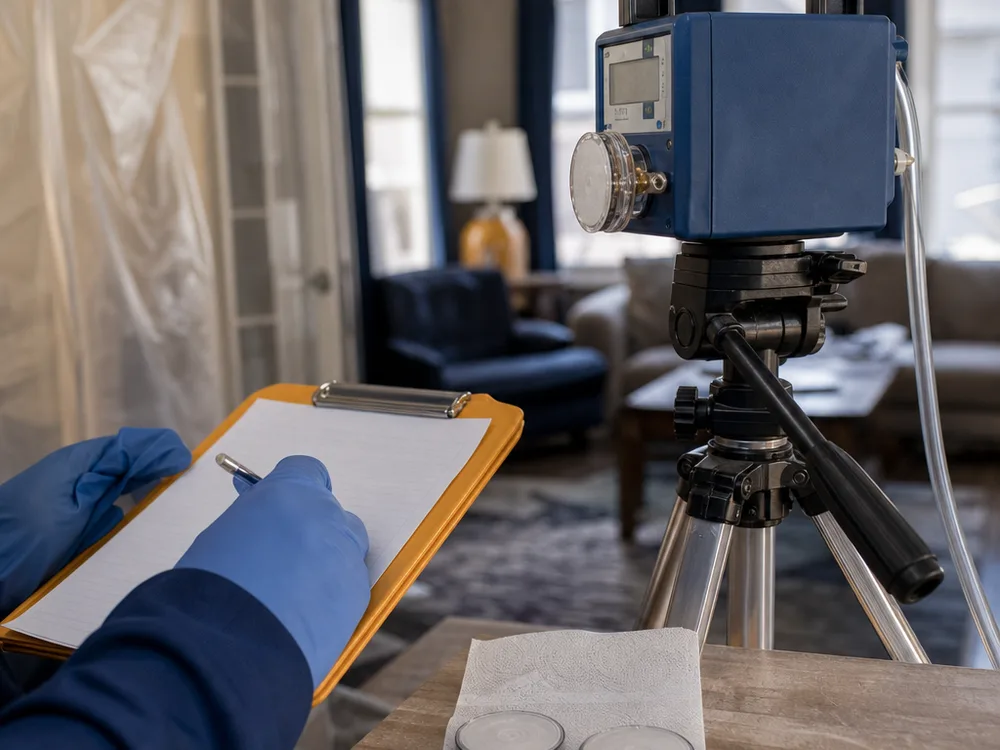
We collect air and/or surface samples using standard methods, label them clearly, and document locations so the lab results map back to real areas in the building.
Samples are delivered to an accredited lab for analysis. Turnaround depends on lab schedules and any rush options, which we review with you before submitting.
You get a clear explanation of what the results mean, what conditions are likely driving the issue, and what a reasonable plan looks like for containment, cleanup, and moisture control.
Inspection-based sampling plan
Mold testing in Buffalo typically ranges from about $250 to $750+, depending on how many samples are needed and how complex the building is. A basic visit with 1 to 2 samples is often on the lower end, while larger homes, multi-unit properties, or situations that call for multiple air samples and surface samples land higher.
Your final price mainly depends on sample count, access to attics, tight basement areas, or spaces behind finished walls, whether an outdoor baseline sample is included, and lab turnaround options. Exact cost is confirmed after the on-site inspection and sampling plan are set.
Clear answers before sampling
Most lab results are available within a few business days after sampling, depending on the lab's workload and the type of analysis. We review turnaround expectations at the time of sampling so you know when to expect the report and what decisions you can make immediately, such as drying and controlling humidity, while results are pending.
It depends on what you are trying to confirm. If there is visible suspect growth, a surface sample is often the most direct way to identify it; if the concern is hidden mold or an odor without visible growth, air sampling and an outdoor comparison can provide stronger context. Many inspections use a mix, chosen based on where moisture is likely coming from.
Often yes, but it depends on access and what information you need. We can sometimes use targeted sampling approaches that support a decision about next steps, but there are cases where limited opening is the only way to confirm conditions behind finishes. We explain the least-disruptive path that still produces reliable results.
Keep the home in normal living conditions unless we advise otherwise for your situation. Running heavy filtration, ozone devices, or unusual ventilation right before sampling can skew results and make interpretation harder. If you already use a standard HVAC filter and a normal dehumidifier schedule, that is usually fine. Tell us what equipment is running so we can document it.
Not always. If mold is clearly visible on building materials and the moisture source is known, a remediation plan can sometimes move forward without lab confirmation. Testing is most useful when the source is unclear, when documentation is needed for a transaction or property file, or when you want to confirm conditions after cleanup.
Yes, post-remediation verification, often called clearance testing, is available to confirm that the cleaned area meets an appropriate standard before rebuilding or re-occupying the space. The right approach depends on the scope of work and containment, so we set the sampling plan around the actual remediation area and what was disturbed.
Start with an on-site assessment
Share what you are seeing, smelling, or worried about, and we will recommend a sampling approach that fits the building and the decision you need to make. You will get documented results and straightforward guidance on what to do next in Buffalo.