Basement flooding and seepage
Extraction, drying, and material removal in basements and lower levels where moisture lingers and contents are easily affected.
Serving Buffalo, New York & surrounding areas
24/7 Emergency Response
Water damage restoration in Buffalo, New York
Fast response for leaks, flooding, and storm water, with structural drying and moisture checks.
Call Now 716-303-4549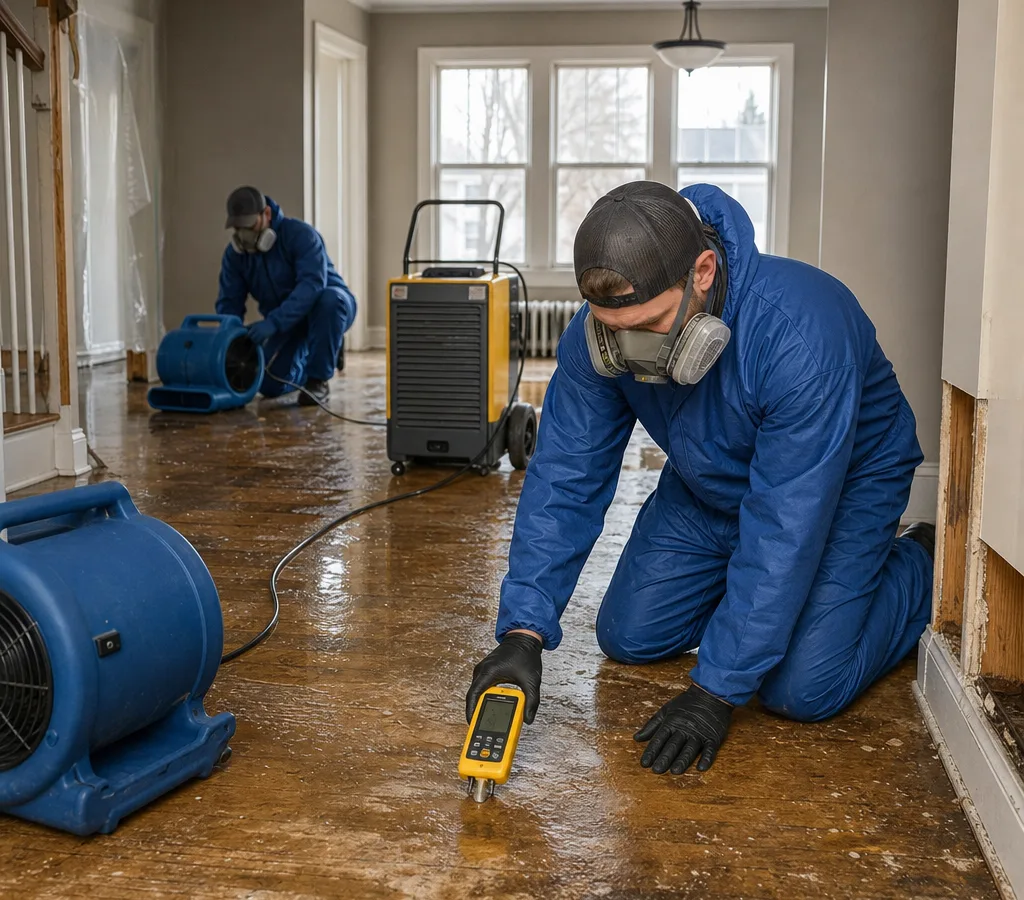
Recognize hidden moisture early
If you are searching for water damage restoration Buffalo NY, you are probably dealing with a problem that cannot wait: a supply line leak, an overflowing appliance, a backed-up drain, or water after a storm. In Buffalo, a lot of property damage comes from water that sits too long in basements, wall cavities, or under floors where you cannot see it. That hidden moisture is what turns a simple cleanup into a bigger repair.
Buffalo Mold Removal handles water damage restoration in Buffalo for homes and commercial spaces. The goal is straightforward: stop the source, remove standing water, dry and dehumidify the structure to accepted industry standards, and rebuild or coordinate repairs as needed. For information about moisture-related growth after a leak, visit our Buffalo mold removal homepage.
Some warning signs you should take seriously:
In neighborhoods with older housing stock like Allentown and Elmwood Village, layered renovations over decades can create voids and chaseways where water travels far from the original leak. In South Buffalo and the First Ward, basement water problems can escalate quickly because stored items and finished spaces often sit directly on or near slab level. Wherever you are in the city, speed matters because materials begin absorbing water immediately and drying becomes harder every hour it is left untreated.
Measured structural drying
A proper water damage restoration job is more than bringing fans and hoping for the best. Drying is measured. Materials are removed when they cannot be dried in place. And the plan changes depending on the water category and where it migrated.
What you can expect when our crew arrives:
This approach follows the standard restoration framework used across the industry, including moisture verification and category-based handling. If the water is contaminated or a sewage backup is involved, the plan changes immediately because removal and cleaning requirements are different.
Cleanup, drying, and protection
Extraction, drying, and material removal in basements and lower levels where moisture lingers and contents are easily affected.
Fast dry-out after pipe breaks, pinhole leaks, or failed fittings that soak framing, insulation, and subfloors.
Moisture tracking in multi-story homes and apartments when water shows up far from the original source.
Damage from water heaters, washing machines, dishwashers, sump pumps, and clogged condensate lines.
Drying and repairs when wind-driven rain or ice dams lead to wet insulation, stained ceilings, and saturated sheathing.
Practical steps to separate wet from dry belongings and reduce secondary damage while the structure is being dried.
From first call to verified drying
Share the source if you know it, which rooms are affected, and whether water reached a basement, crawlspace, or lower level. Photos help, especially of ceilings, flooring edges, and the water line on walls.
If it is safe, stop the water at the shutoff and move items out of wet areas. Avoid running electrical devices on wet floors, and do not pull out swollen drywall or insulation without a plan for containment and disposal.
You get a clear plan of what can be dried in place versus what must be removed. This is also where insurance documentation usually starts if you are filing a claim.
Equipment stays in place until readings show the structure has returned to safe moisture levels. Wet smells and surface dryness are not reliable indicators by themselves.
Once drying is complete, you can move ahead with repairs. If you are concerned about post-loss odors or growth, plan for a careful inspection before walls are closed back up.
Inspection-based pricing
Water damage restoration in Buffalo typically ranges from about $1,200 to $6,500+, with small contained cleanups on the low end and multi-room losses with demolition and rebuild costs on the high end. A wet carpet-and-pad dry-out may be closer to $1,200 to $2,500, while a basement flood with drywall removal and extended dehumidification can run $3,000 to $6,500+.
Final pricing depends on the affected square footage, water category (clean versus contaminated), how far water migrated into walls and floors, required demolition, equipment days, and after-hours response. The exact cost is confirmed after an on-site inspection and moisture mapping.
Before walls and floors are closed
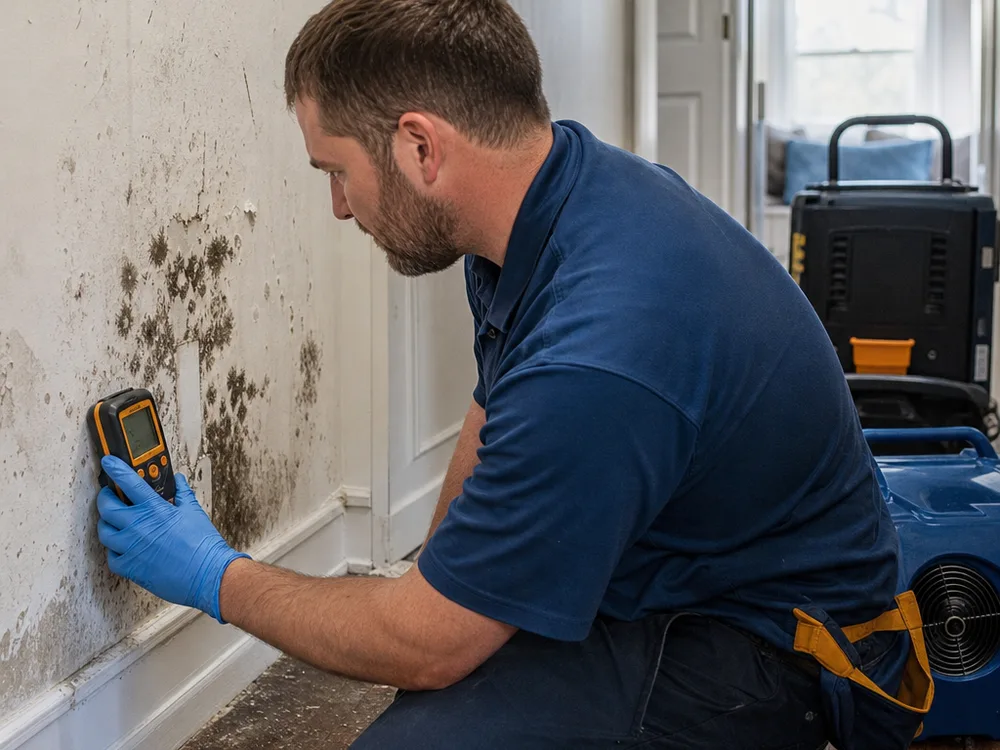
In restoration, the most common problem we see is a space that looks dry but is still wet where it counts: behind baseboards, under LVP, beneath tile backer, or inside wall cavities. That moisture can keep feeding odor and deterioration even after the visible water is cleaned up.
If you have had water damage and any of these apply, ask for a moisture check before you close everything back up:
When moisture problems raise concerns about microbial growth, we can coordinate the next steps. Some clients also want clarity on whether they are dealing with a true growth issue or just a lingering damp smell after a loss. Mold removal is available as a separate, dedicated service so the scope stays clear and correctly documented.
Call Now 716-303-4549Clear answers before cleanup begins
Start the same day whenever possible, because water wicks into drywall, trim, and subfloors quickly and drying becomes harder the longer it sits. In Buffalo, basements and closed-up rooms can hold moisture and keep humidity high, so an early moisture map and proper dehumidification plan usually reduces demolition and overall repair time.
Sometimes, yes, but only if moisture readings show the materials can dry to target levels without trapping water in cavities. For example, baseboards often need to come off to dry the wall edge properly, and wet insulation is commonly removed because it holds moisture against framing. We confirm the approach by moisture mapping, not by appearance.
Yes, we can provide the documentation insurers typically ask for, including photos, moisture readings, and a written scope of work. Coverage depends on your policy and the source of the loss—for example, sudden pipe breaks are often handled differently than long-term seepage—so we focus on documenting conditions clearly and leaving you with records that support the claim process.
It matters because cleaning and removal requirements change based on the water category. Clean water starts from a sanitary source like a supply line, while contaminated water can involve bacteria and requires stricter removal, cleaning, and disposal steps. If there is a sewage backup or heavy contamination, porous materials are typically removed rather than dried in place.
Many drying projects take about 3 to 5 days, but the real timeline depends on how much water was absorbed and what materials are involved. Hardwood, dense subfloors, plaster, and masonry can take longer than drywall and trim. We track progress with moisture readings and adjust equipment as needed until drying is verified.
Shut off the water source if it is safe, move valuables and paper goods out of wet areas, and blot or extract what you can without risking electrical hazards. Avoid running household fans into wall cavities or pulling materials apart without containment, because that can spread contamination or make repairs messier. Take photos of affected areas for your records before major cleanup starts.
Start with an on-site assessment
Tell us what happened and what areas are affected. We will inspect, map moisture, and outline the steps to dry and restore your Buffalo property with documentation you can rely on.